
backwards and in high heels…
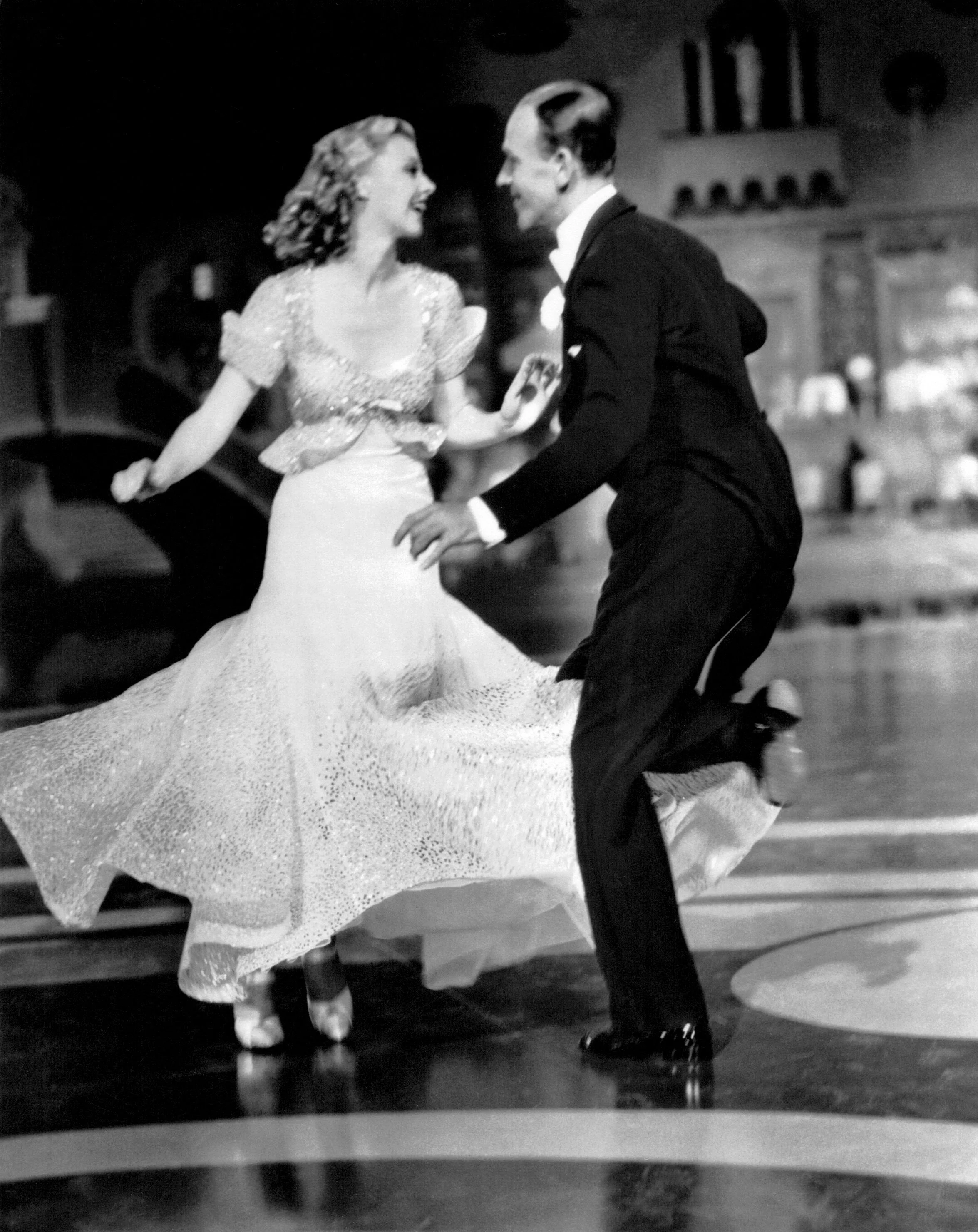
See? Backwards.
I love watching old musicals, especially for the wonderful elaborate dance sequences. I was thinking recently about the old saying that “Ginger Rogers did everything that Fred Astaire did but backwards and in heels,” and it made me think about the “life on hard mode” thing that people always say about ADHD.
Neurodivergent folks do everything that neurotypical do, but backwards and in high heels.
A lot of that has to do with masking.
An ADHD clinic in Calgary wrote a blog post about the connection between RSD (rejection sensitive disorder) and masking, and the exhaustion that causes.
Basically, we spend so much energy and time compensating for “coming across” as neurodivergent that we end up using our allotment for the following day, too. And then the next day we do the same. And the next day, and the next day, and the next, ad infinitum.
The post goes into how adults with ADHD will spend more time than neurotypicals on emails and texts—making them perfect but not too perfect. We do this because we think if we don’t come across just right, we’ll be shamed, rejected, fired, etc.
In fact, research has shown that “the average person with ADHD spends 2.3 times longer composing emails and social media posts than neurotypical peers. That's not perfectionism - it's the exhausting reality of digital masking that's draining your energy every single day.”
So, every single day, adults with ADHD are working harder to do mundane, simple things that NDs put zero thought and minimal effort into. (Typos in a work email??? Who are these people!!??) So every single day we end the day more tired and needing more rest that we invariably do not get.
This is what “high functioning” is, basically: we’re keeping up and in a lot of cases we’re looking great while doing it, and even doing better than our peers. But we’re doing it backwards and in heels.
State of okay: farther away
All this extra spent energy also means that our “state of okay” — our window of tolerance, in therapy speak — is even further out of reach. (If you’re not sure what the state of okay is, I write all about it in this post here, and also this other post.) It is also the main topic of my new book: The ADHD sh*tstorm…and you! A primer for late- and self-diagnosed neurodivergent adults.
So we’re always low on energy, always outside of the state of okay, always overstimulated and over-reacting. And spending even more energy compensating and trying to act normal! Because as adults, we know that we’re not okay, but if we’re undiagnosed or still “lost in the sh*tstorm”, as it were, we don’t know how to get out of it, only how to stay (somewhat) afloat.
I don’t know about you, but that seems pretty fucking unfair! Same as it wasn’t fair that Fred Astaire got to float around looking pretty, doing the easy part, while Ginger was doing it backwards—the exact same thing he was doing, but more.
This is why it’s so important to learn how to navigate the shitstorm. So you can get up and into your state of okay, so you can start to actually excel and thrive instead of just keeping up.
This is why diagnosis is important, and workplace accommodations, and school accommodations, etc. etc. etc. You’ll still be doing the dance, but with tools and help and support that you can secure once you’re more regulated because you’re in the state of okay, you won’t be doing it backwards and in heels anymore. YOU will be the one leading, and you will look fucking fantastic.